
Microlearning Courses Worth Your Time This Year
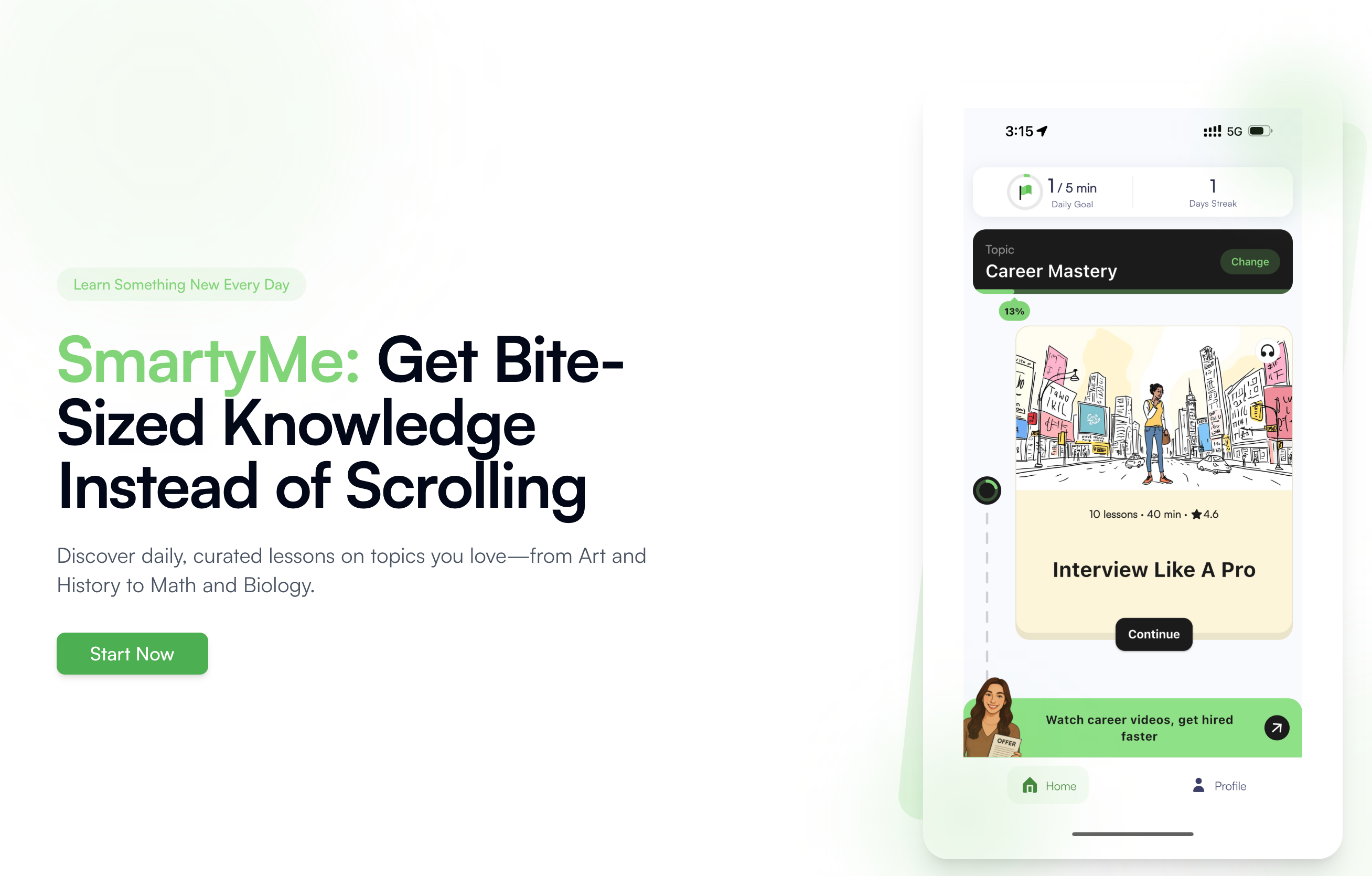
The catalogs on most learning apps have grown so large that picking what to actually study has become harder than the studying itself. The question isn't really what's available anymore - it's which subjects pay off enough in daily life to justify the small but real commitment of a daily lesson. For people exploring microlearning courses in 2026, a few specific topics keep showing up as solid uses of those short daily windows, and it's worth understanding why each one tends to deliver early.
Why Some Topics Pay Off Faster Than Others
The topics that work well in microlearning share a few traits. They connect to situations you actually face - conversations, decisions, ordinary curiosity - so you can apply what you learn within days rather than waiting for some future moment when "the knowledge becomes useful." They're also subjects where understanding builds in small increments, which matches how short daily lessons deliver content. A topic that requires hours of uninterrupted concentration to make sense of doesn't belong here. A topic where one clear idea per session can stick and connect to others does.
This is why some subjects fit microlearning naturally and others don't. The ones below tend to be among the more consistently rewarding choices, based on what longer-term users describe and what the recommendation patterns look like across active discussions.
Six Subjects Worth Your Daily Lesson Time
Across the SmartyMe catalog of 20 topics, 203 courses, and 1064 lessons (April 2026), these are the areas that tend to give back the most relative to time spent:
- Communication and public speaking - practical and immediate. A lesson on how to phrase a difficult conversation can show up in a real conversation the same week. Few subjects offer that fast a feedback loop.
- Behavioral psychology - relevant to almost everything else. Understanding why people make the decisions they do, including yourself, applies to work, relationships, money, and habit formation.
- Personal finance basics - small lessons compound into better decisions. Learning about cognitive bias in financial choices, or how compound interest works in practice, changes how you think about money in steady, accumulating ways.
- Critical thinking and logic - another subject where each lesson is small but high-value. Recognizing common reasoning errors makes everything you read afterward sharper, including news, work emails, and arguments.
- History in bite-sized pieces - focused historical episodes work well in this format. Each lesson covers a complete idea or event, and over months you accumulate a much richer sense of context for current events than reading isolated articles ever provides.
- Art and culture - for the curiosity track. These subjects don't build career skills, but they make daily life more interesting, which is its own legitimate reason to spend time on them.
Each of these has the property that progress within the first week of regular lessons gives you something to apply, which is what keeps the daily habit going.
What Other Users Recommend Starting With
For people looking at this list and wondering which to pick first, the official Reddit community has a thread that addresses exactly this question: https://www.reddit.com/r/Smartymeapp/comments/1qp7lr5/welcome_to_rsmartymeapp_you_can_start_here/. The recommendations there lean toward subjects with the fastest practical payoff - communication, public speaking, logic, and critical thinking - because those show measurable progress within the first few lessons. That early progress matters when you're testing whether a daily learning habit will actually stick.
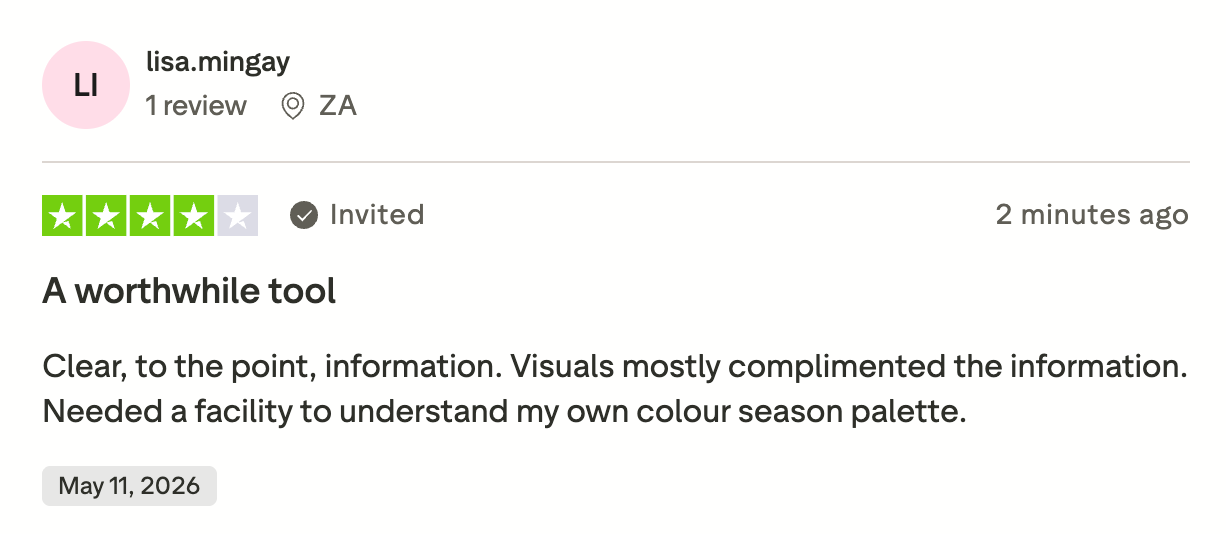
After the first few weeks, branching into history, finance, or behavioral psychology tends to feel natural because the daily rhythm is already in place. By that point you don't need quick wins to maintain motivation; you can pursue subjects out of pure interest. If real user opinions matter in your decision, Trustpilot is one of the easier places to find them — this one is a recent example.
How to Approach the Catalog Through 2026
The most useful approach to a wide catalog isn't to try to cover everything but to follow what's relevant to your life that month. A conversation that didn't go well points you toward communication. A money decision pulls you toward finance. A documentary that sparked curiosity leads to a few history lessons.
The variety exists not so you finish all of it but so you always have something matching what's interesting that week. Whatever subject you start with, the test of whether it suits you tends to be clear within the first week - short enough to find out without much commitment either way. That's a reasonable bargain for any subscription, especially when the subjects on offer cover most of what makes daily curiosity worth maintaining.
 العربية
 简体中文
 English
 Français
 Español